

Time:2026-01-13 Views:0
Sheet metal mechanical parts are widely utilized across diverse industries due to their versatility, cost - effectiveness, and ability to be fabricated into a vast array of shapes and sizes. These parts play a fundamental role in the assembly and functionality of mechanical systems, providing structural support, protection, and facilitating the movement of components.
In the automotive industry, sheet metal mechanical parts are essential for vehicle construction. Body panels, including doors, hoods, and fenders, are made from sheet metal. These panels need to be both lightweight to improve fuel efficiency and strong enough to withstand collisions and other mechanical stresses. Modern automotive manufacturing employs advanced stamping processes to form sheet metal into complex, aerodynamic shapes. High - strength steel sheet metal is commonly used for critical structural components, such as the frame and pillars, to enhance vehicle safety. Additionally, sheet metal is used to fabricate various under - hood components, like engine mounts, brackets for electrical components, and air intake ducts. These parts are designed to fit precisely within the vehicle's mechanical layout, ensuring the proper functioning of the engine and other systems.
In the industrial machinery sector, sheet metal mechanical parts are used in the construction of equipment such as machine tools, conveyor systems, and packaging machinery. For example, the enclosures of machine tools are often made from sheet metal to protect the internal components from dust, debris, and accidental contact. These enclosures are designed with access panels and windows for easy maintenance and monitoring. Sheet metal is also fabricated into gears, pulleys, and brackets for conveyor systems. The precision cutting and bending capabilities of sheet metal manufacturing allow for the production of parts with exact dimensions, ensuring smooth operation and alignment of the conveyor components. In packaging machinery, sheet metal parts are used to create the forming, filling, and sealing mechanisms, which need to be durable and accurate to ensure consistent product quality.
The aerospace industry also relies on sheet metal mechanical parts for aircraft construction. Lightweight yet strong aluminum alloy sheet metal is extensively used for components such as wing skins, fuselage panels, and engine cowlings. These parts are formed using advanced techniques like superplastic forming and diffusion bonding to achieve complex shapes with high precision. The sheet metal parts in aerospace applications are subject to strict quality control measures, as any defect could have catastrophic consequences. Non - destructive testing methods are used to ensure the integrity of the parts, and they are often coated with protective layers to resist corrosion and wear, especially in the harsh environment of high altitudes and varying temperatures.
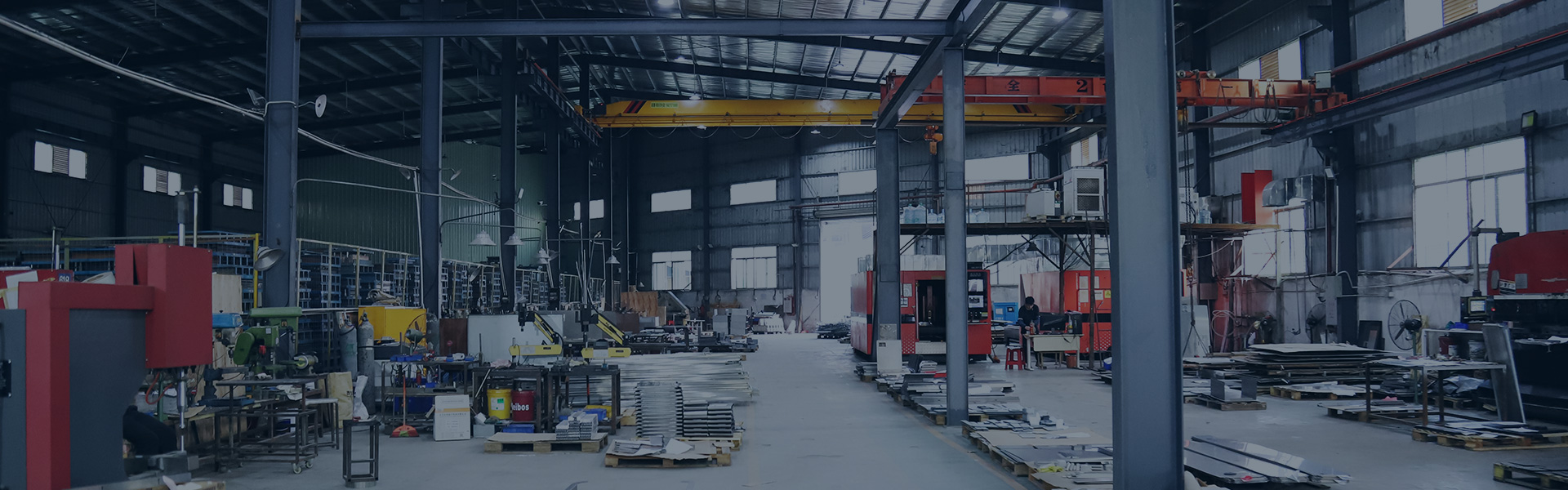
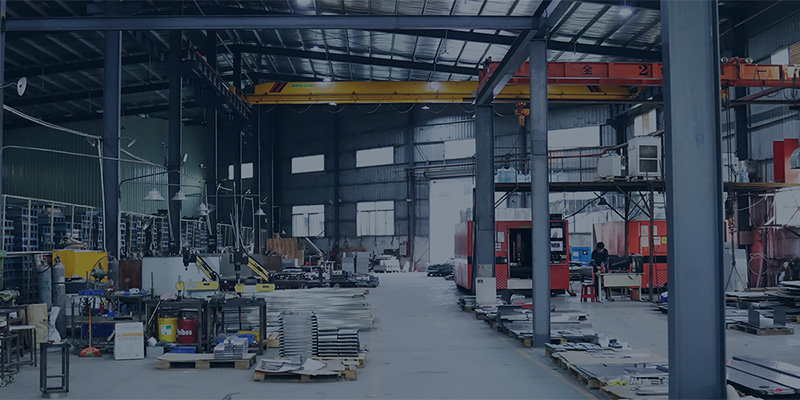
The manufacturing of sheet metal mechanical parts involves a combination of traditional and modern fabrication techniques. Laser cutting is commonly used for precise cutting of complex shapes, while CNC bending machines are employed to achieve accurate bends. Welding processes, such as spot welding and seam welding, are used to join the sheet metal parts together. After fabrication, the parts may undergo surface treatments, such as painting, powder coating, or electroplating, to enhance their appearance and corrosion - resistance. The continuous advancement of sheet metal manufacturing technologies enables the production of increasingly sophisticated mechanical parts that meet the evolving demands of various industries.
 China management center add.
204, Building A, Phase 3, Jiewei Industrial Park, Shangmugu Community, Pinghu Street, Longgang District, Shenzhen, China
 Headquarters tel.
+86 134 3077 5139
 E-mail.


 CN
CN


