



Time:2025-12-30 Views:0
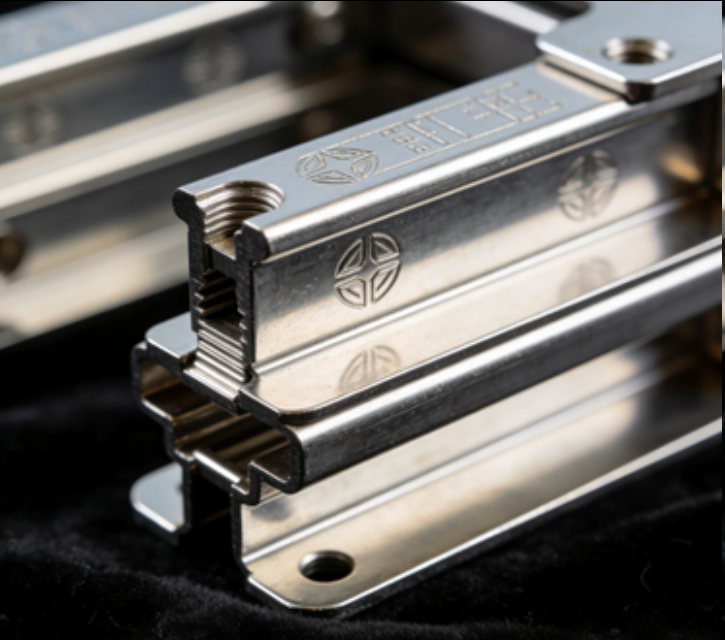
Stamping parts play a crucial role in the manufacturing of medical devices, where precision, cleanliness, and biocompatibility are of utmost importance. The medical industry demands components that meet strict regulatory standards and can withstand the rigors of frequent use, sterilization, and exposure to various chemicals. Stamping technology offers an efficient and cost - effective way to produce high - quality parts that are essential for the functionality and safety of medical devices.
When it comes to materials for stamping medical device parts, biocompatible metals and alloys are preferred. Stainless steel, especially types with high corrosion resistance like 304 and 316L, is commonly used due to its ability to withstand repeated sterilization processes, whether through autoclaving, gamma radiation, or ethylene oxide treatment. These materials also offer excellent strength and durability, ensuring that the parts can endure the mechanical stresses involved in medical procedures. Additionally, titanium and its alloys are increasingly utilized in medical stamping parts, especially for implantable devices, because of their superior biocompatibility, low - density, and high strength - to - weight ratio.
The precision of stamping is a key advantage for medical device parts. Components such as surgical instruments, orthopedic implants, and diagnostic equipment parts require exacting dimensions. Stamping dies are engineered with extreme precision using advanced computer - aided design (CAD) and computer - aided manufacturing (CAM) techniques. This allows for the production of parts with tight tolerances, ensuring a perfect fit and function. For example, stamping can create the intricate shapes of surgical forceps with smooth surfaces and precise gripping mechanisms, which are essential for delicate surgical procedures. The repeatability of the stamping process also guarantees consistent quality across large production runs, crucial for maintaining the reliability of medical devices.
In addition to precision, the cleanliness of stamping parts for medical devices is vital. The manufacturing process is carried out in controlled environments, often in cleanrooms, to prevent contamination. Specialized lubricants and cleaning agents that are safe for medical use are employed during stamping to ensure that the parts are free from any residues that could pose a risk to patients. Moreover, post - processing steps such as deburring, polishing, and surface finishing are carefully executed to achieve the required surface roughness and cleanliness standards. Overall, stamping parts are indispensable in the medical device industry, enabling the production of reliable, precise, and safe components that contribute to the advancement of healthcare.
 China management center add.
204, Building A, Phase 3, Jiewei Industrial Park, Shangmugu Community, Pinghu Street, Longgang District, Shenzhen, China
 Headquarters tel.
+86 134 3077 5139
 E-mail.


 CN
CN


